
Which Phone Features Matter Most Day to Day?
Most buying advice is written for the afternoon you buy, not for the two years that follow. The parts that decide those years are unglamorous: whether the screen is still comfortable to hold at seven in the morning, whether the camera catches the shot before the moment passes, and whether there is room left for another year of photographs. Everything else on the specification sheet is a preference dressed as a requirement. Judge a phone on those three and the shortlist gets shorter very quickly, which is how you avoid paying for features you will never open twice.
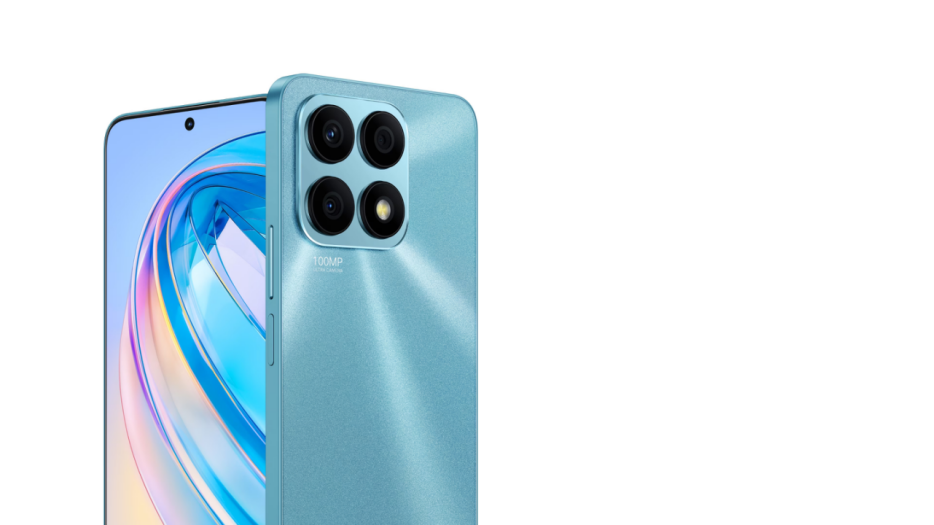
The Screen You Use All Day
Size, Edges and Grip
Screen size sets the terms of everything else, but the diagonal is only half the story. What decides comfort is the edges: a display that runs close to the frame keeps the body narrower than the figure suggests, and a thin chassis is obvious the first time the phone goes into a pocket. That is why the measurement to check is not the screen size alone but how much body surrounds it—and why two phones with the same diagonal can feel completely different in the hand. Carry one that gets this right for a week and the numbers stop mattering; the habit takes over. The HONOR X8a smartphone is built on exactly that logic—a 6.7-inch edgeless display and a slim body that carries a full page without the bulk the figure implies. What looks like a big phone on paper is often the one that disappears into daily use.

Brightness and Comfort
Brightness is the part of a display people notice only when it fails. A panel that stays legible on a bright pavement saves you from stepping into a doorway to read a message, and one that dims gently keeps an hour of reading at night from turning into a headache. Refresh rate sits in the same family: a higher rate makes scrolling feel smoother, and an adaptive mode stops it costing battery when nothing is moving. None of this shows on a poster. All of it shows in the third month, which is when most people finally form an opinion about their screen.
The Camera You Reach For
Resolution and Detail
Resolution is the least interesting number in photography and the easiest one to sell, so it is worth knowing what it actually buys. More pixels keep more detail when you crop, and cropping is what most phone photographs are: a wide frame trimmed down to the part you wanted. A high count also holds up when a picture is printed or shown on a larger screen, where a soft file becomes obvious. Past a certain point the sensor and the processing matter more than the count, but that point sits higher than the marketing implies, and any current main camera clears it comfortably. The HONOR X8a's 100MP Ultra Camera is a case in point: enough pixels that a tight crop still holds its detail on a larger screen, which is exactly where a lower count starts to show.
Everyday Photo Situations
The photographs people actually take are ordinary too: a receipt, a whiteboard, a child moving faster than the shutter, a street after dark. Each asks for something different. Documents want edge detection and honest colour; moving subjects want a fast shutter and a burst; low light wants several frames merged and a steady hand. A phone that handles those four without being asked is worth more than one with a longer feature list, because you stop thinking about the camera and simply take the picture. Test it that way in a shop: photograph a page, a face and a window, and the ranking sorts itself out.
Storage, Memory and Everyday Speed
Space for Photos, Apps and Files
Storage is the specification that quietly expires. A phone that feels generous in the first month, when the library is still on the old device, can be asking you to delete things every week eighteen months later, because photographs, voice notes, downloads and app data only grow. The floor worth aiming for is higher than the one in the brochure: roughly 256GB of storage for a phone you intend to keep, and 8GB of memory at the minimum, with 12GB giving the background apps real breathing room. Memory is the quieter half of the same decision, because it is what decides whether switching back to a game means resuming or restarting. Check both figures rather than only the storage line—and check them against the years you intend to keep the phone, not against the first month.
Software That Stays Quick
Speed in year three is decided by software rather than by the chip. Updates that keep arriving repair the parts that slow down, and an interface without duplicate apps leaves more memory for the things you opened on purpose. It is worth checking how many years of updates a model receives before you buy, because that figure decides whether the phone still gets security patches when the battery starts to weaken. Two handsets with identical hardware can feel two years apart by then, and the difference was printed in the small print on the day you chose.
Conclusion
Two years from now, nobody remembers the numbers on the box. What remains is a screen that still feels right in the hand, a camera that caught the moment without being asked, and enough room for another year of photographs. Those three are the whole argument for judging a phone by daily use rather than by the poster in the window. Choose on the days you will actually have, not on the afternoon you buy, and the device becomes something you stop thinking about, which is the highest compliment hardware gets.
-
Más reciente
 How Often Should the Average Person Upgrade Their Smartphone?
Smartphone upgrades have become less frequent as modern devices grow more powerful and durable. While marketing cycles may suggest yearly updates, most people no longer need to replace their phones th...
-
Próximo
 How Do You Choose a Tablet for Long Gaming Sessions?
A tablet that feels perfect in a ten-minute shop demo can be a different device in the third hour of a real session, because long play asks questions that short tests never reach. How does the weight...
articulos populares
- How Does a Touchscreen Change Daily Laptop Use?
- How Do You Choose a Tablet for Long Gaming Sessions?
- Which Phone Features Matter Most Day to Day?
- How Often Should the Average Person Upgrade Their Smartphone?
- Why Does Refresh Rate Matter Beyond Smooth Scrolling?
- What Makes a Smartphone Feel “Comfortable” to Use Daily?