
Why Does Refresh Rate Matter Beyond Smooth Scrolling?
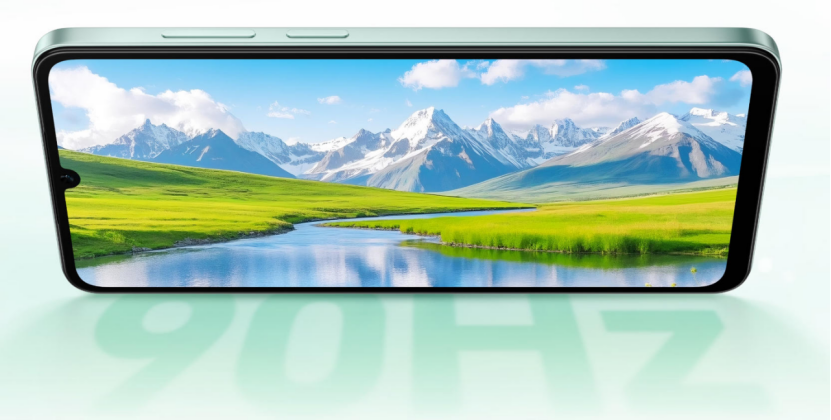
Refresh rate is often talked about in terms of how smoothly a phone scrolls through apps or social feeds, but its impact extends far beyond that familiar motion. It affects how clearly fast content appears, how comfortable the screen feels, and how natural interactions look during everyday use. A higher refresh rate shapes everything from visual clarity to responsiveness, influencing how users perceive speed and fluidity. Devices like the HONOR X5c demonstrate this through a 90Hz display that enhances more than just scrolling. It improves the overall experience, whether users read, watch videos, interact through gestures, or switch between apps.
What Visual Benefits Come From a Higher Refresh Rate
Motion Clarity Improves During Fast Visual Changes
A higher refresh rate updates the image on screen more frequently, which reduces motion blur. This creates clearer visuals when users scroll quickly, but its value becomes even more apparent in fast-moving scenes, such as transitions in apps, animations, or fast video content. Motion clarity helps the eyes track objects smoothly without effort. When watching dynamic content or navigating rapidly through menus, a display like the HONOR X5c's 90Hz panel helps maintain crispness. The screen feels stable even when content moves rapidly, and details remain visible instead of blending together. This clarity reduces visual strain and enhances readability during continuous movement.
Screen Responsiveness Feels More Immediate
High refresh rates shorten the time between touch input and on-screen reaction. Although processor capability also plays a role, refresh rate determines how often the screen updates the results of a user’s action. For example, opening apps, swiping between pages, or activating shortcuts all feel more direct when the display responds instantly. The HONOR X5c combines its efficient processor with its 90Hz refresh rate to deliver a sense of immediacy in everyday navigation. Visual feedback appears quickly, making the phone seem more responsive overall. This effect creates a smoother and more intuitive user interface that feels aligned with users’ gestures.
Visual Stability Enhances Comfort Over Long Sessions
Visual stability refers to how consistent and smooth motion appears on the screen. A higher refresh rate reduces jitter and micro-stutters, creating a steadier viewing experience during prolonged tasks. This stability is especially helpful for activities such as reading long articles, browsing image-heavy feeds, or switching between apps repeatedly. With the HONOR X5c, the 90Hz screen supports comfortable long-term viewing by ensuring transitions remain fluid. Combined with dynamic dimming designed to reduce eyestrain, the smoother motion helps the eyes work less to interpret fast content shifts. Users benefit from a more relaxing visual environment throughout the day.
How Does Refresh Rate Influence Real-World Phone Behavior
Interactive Features Feel More Natural and Fluid
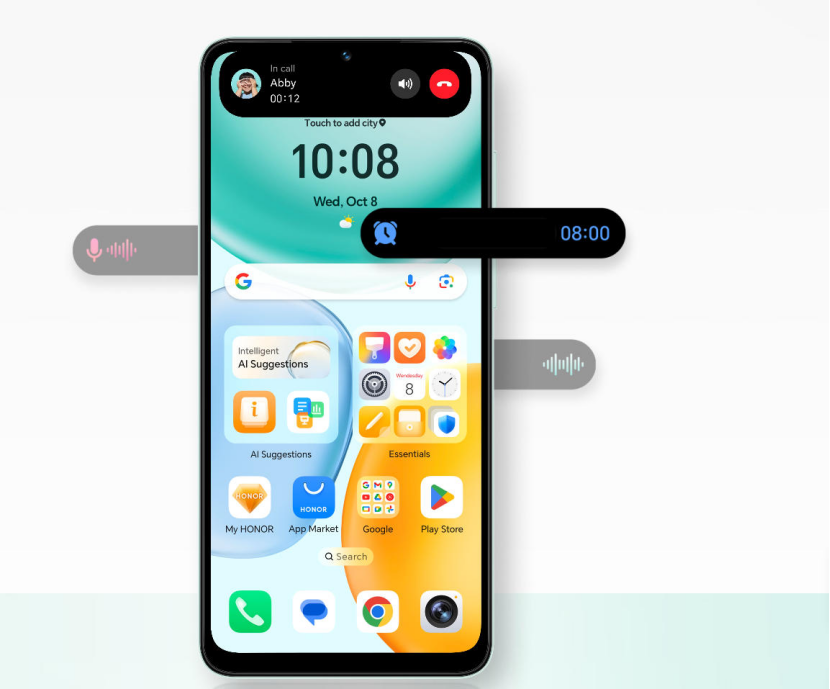
Many smartphone interactions involve subtle animations—pull-down menus, pop-up controls, notification banners, or gesture-based navigation. A higher refresh rate makes these animations appear more lifelike and less mechanical. When users open the Magic Capsule on the HONOR X5c, the smooth animation contributes to the impression of polished design. Gestures such as swiping, pinching, or switching apps feel more intuitive because the visual update keeps pace with the user’s motion. This natural feedback loop strengthens the overall user experience by aligning intention with visual response, reducing the cognitive friction that comes from inconsistent motion.
Gaming and Visual Tasks Benefit From Reduced Input Lag
Although not everyone uses their smartphone for gaming, many daily tasks rely on precise timing. Even lightweight games, camera adjustments, or quick multitasking actions feel improved with higher refresh rate support. Reduced input lag means the actions users perform translate to the screen more rapidly. The HONOR X5c’s 90Hz panel supports this smoother interaction, making simple tasks such as capturing moments with the AI camera or navigating between apps feel more controlled. This lowered delay enhances accuracy for tap-based interactions and creates a sensation of increased device capability without requiring additional hardware complexity.
Reading and Scanning Information Becomes Easier
Higher refresh rates contribute to the legibility of moving text or fast-scrolling content. When users skim through long pages or switch quickly between messaging threads, the text remains more readable because each frame transitions more smoothly. The HONOR X5c’s large display combined with its 90Hz refresh rate allows content to move crisply without the flicker or blur that can occur on lower-rate screens. This helps users maintain focus when scanning information while reducing the eye fatigue that often comes from repeated re-focusing. The display adaptation creates a more comfortable overall reading environment for long sessions.
Conclusion
Refresh rate influences much more than scrolling performance. It shapes motion clarity, responsiveness, comfort, and the natural feel of interactions across every part of the smartphone experience. A higher rate improves how quickly the screen reflects touch input, how enjoyable animations look, and how stable content appears during fast movement. It also enhances reading comfort, supports smoother gaming, and reduces visual strain during extended use. The HONOR X5c smartphone, equipped with a 90Hz bright and dynamic display, illustrates these benefits by offering users a more fluid and intuitive experience throughout daily tasks. As display technology continues to evolve, refresh rate will remain a key factor in how modern smartphones feel in real-world use.
-
Latest
 What Makes a Smartphone Feel “Comfortable” to Use Daily?
A smartphone feels comfortable to use daily when it aligns naturally with how people think, move, and interact throughout their routines. Comfort is not defined by one feature alone; it emerges from a...
-
Next
 Why Do Smartphones Become Anchors in Daily Decision Flow?
Smartphones have evolved into more than communication tools; they now guide many small and large decisions from morning until night. People check schedules, evaluate routes, compare prices, record rem...
Popular Articles
- Why Do Smartphones Become Anchors in Daily Decision Flow?
- Why Does Refresh Rate Matter Beyond Smooth Scrolling?
- What Makes a Smartphone Feel “Comfortable” to Use Daily?
- The 5-minute Phone Declutter: Organize Your Apps and Mind
- AI Features Changing the Smartphone Experience
- Must-Have Smartphone Features This Year