
What Makes a Smartphone Feel “Comfortable” to Use Daily?
A smartphone feels comfortable to use daily when it aligns naturally with how people think, move, and interact throughout their routines. Comfort is not defined by one feature alone; it emerges from a mix of physical ergonomics, visual clarity, and the smoothness of everyday interactions. People judge comfort unconsciously by how little friction they feel while navigating tasks, whether they are messaging, browsing, or switching between apps. When a device behaves predictably and rests securely in the hand, it becomes easier to rely on. This is why some users gravitate toward thoughtfully designed models, such as certain Honor phones, which often emphasize simplicity and stability as part of their daily experience.
How Physical and Sensory Design Shape Daily Comfort
Weight Balance and Ease of Handling
A smartphone becomes comfortable when its weight and structure feel natural during repeated use. Even small shifts in balance can influence how relaxed the hand and wrist feel over long sessions. When a device rests evenly in the palm, users can tap, swipe, or hold the phone without noticing strain. This sense of ease supports prolonged activities such as reading or video viewing. A well-proportioned body also encourages confidence during one-handed use, reducing the need for constant repositioning. These physical cues work together to make a device feel like an extension of the user, contributing to a more seamless daily rhythm across work, leisure, and communication.
Texture, Grip, and Tactile Feedback
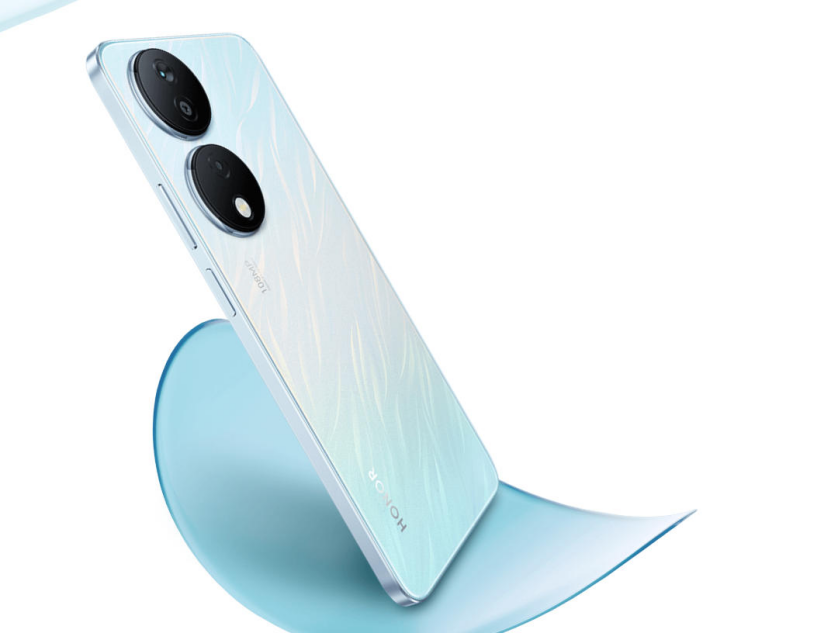
Daily comfort also depends on the tactile sensations a smartphone provides. A surface that feels secure allows the user to move freely without fear of slipping. The right level of grip makes it easier to pick up the device quickly, carry it while multitasking, or adjust positions during long usage periods. Tactile buttons and consistent vibration feedback also shape the feeling of control. When these feedback cues remain predictable, they build confidence and reduce cognitive effort. Some smartphone designs prioritize gentle textures and stable edges, creating a reassuring feel in daily handling without being oversized or intrusive.
Visual Clarity and Screen Friendliness
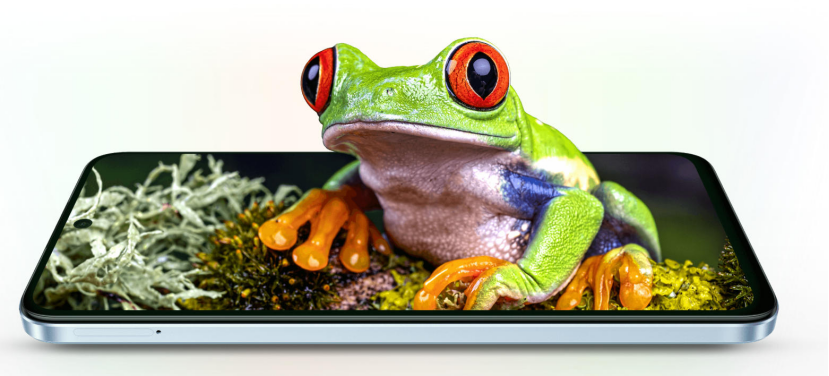
The display profoundly influences comfort because people spend hours looking at their screens each day. A comfortable screen shows information clearly without forcing the eyes to work harder. Balanced color, steady brightness, and clean layouts help reduce visual fatigue. This encourages longer sessions of browsing or reading without discomfort. A phone that presents content clearly allows people to stay focused instead of constantly adjusting viewing angles or distances. A subtle recommendation fits naturally here: the HONOR X7b offers a simple and approachable visual style that supports prolonged viewing, helping users maintain eye comfort during everyday activities such as scrolling, messaging, or reading articles.
How Interaction Flow Contributes to Emotional Ease
Predictability That Reduces Cognitive Effort
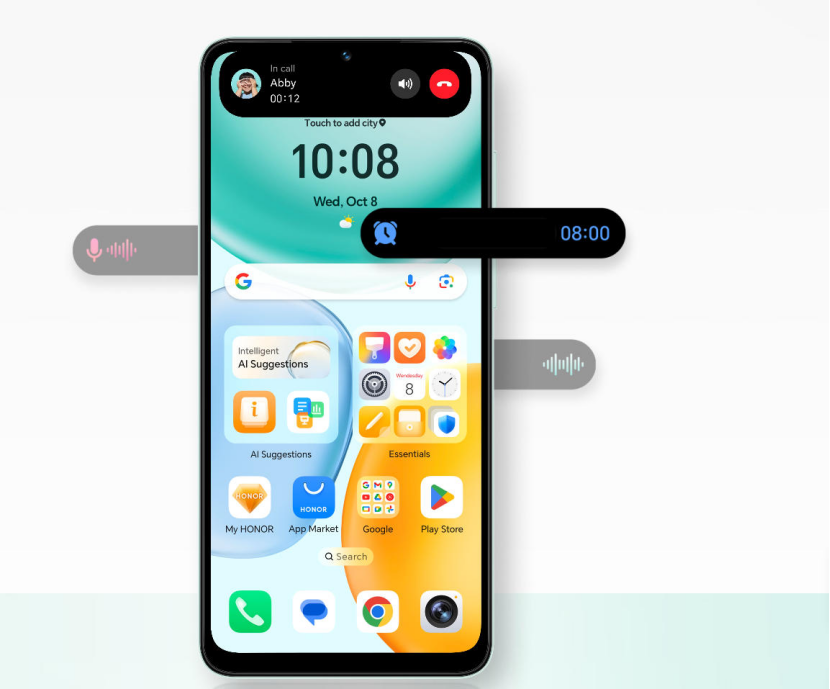
A smartphone feels more comfortable when its behavior remains consistent. Predictable navigation pathways allow users to move quickly without second-guessing how to perform simple tasks. This reduces cognitive load and helps the device blend into the background of daily life. When menus appear in familiar places and gestures behave reliably, users can act instinctively rather than consciously planning each interaction. The device supports their habits instead of interrupting them. Honor’s software design often reflects this idea by presenting a structured, stable interface that encourages a more relaxed pace of interaction, especially during busy routines.
Smooth Transitions and Natural Flow
Comfort builds when actions unfold smoothly from one moment to the next. A device that transitions gracefully between apps, screens, and tasks supports a steady rhythm. People frequently shift between messaging, browsing, navigation, and photos throughout the day, so fluidity matters. A smooth system reduces frustration and maintains emotional convenience, even during high-activity periods. When gestures feel immediate and the interface responds without hesitation, users develop a sense of trust toward the device. This flow becomes one of the strongest contributors to overall comfort because it turns small micro-interactions into an effortless routine rather than a series of disruptions.
Minimal Friction in Everyday Tasks
Comfort is defined as much by the absence of obstacles as by the presence of useful features. A smartphone becomes easier to use when it avoids unnecessary complexity. Simple layouts, logical app arrangements, and clear pathways help users reach their goals quickly. When friction disappears, emotional ease replaces effort. People feel calmer when their device responds cleanly and avoids clutter. This is one reason Honor phones often appear in discussions about daily usability; their straightforward interaction patterns help many users maintain a steady sense of control. When actions flow naturally, the device supports rather than interrupts daily life.
Conclusion
A smartphone feels comfortable to use daily when physical design and emotional flow work together. Comfort begins with the way a device fits the hand, how the screen presents information, and how reliably the interface behaves. These elements reduce strain and create a stable foundation for all daily tasks. Smooth transitions, predictable patterns, and minimal friction further contribute to emotional ease, making the device feel cooperative rather than demanding. When a smartphone supports long hours of handling and viewing without distraction, it earns a place in the user’s routine. Many people appreciate phones that deliver this balance through simplicity and thoughtful design, which is why models from the Honor family often align well with daily comfort needs. A comfortable smartphone does more than perform; it supports a lifestyle by blending seamlessly into every moment.
-
Más reciente
 The 5-minute Phone Declutter: Organize Your Apps and Mind
Phones have become the central hub for communication, work, and entertainment in modern life. With constant notifications, apps, and downloads, devices can quickly feel cluttered and overwhelming. A c...
-
Próximo
 Why Does Refresh Rate Matter Beyond Smooth Scrolling?
Refresh rate is often talked about in terms of how smoothly a phone scrolls through apps or social feeds, but its impact extends far beyond that familiar motion. It affects how clearly fast content ap...
articulos populares
- Why Do Smartphones Become Anchors in Daily Decision Flow?
- Why Does Refresh Rate Matter Beyond Smooth Scrolling?
- What Makes a Smartphone Feel “Comfortable” to Use Daily?
- The 5-minute Phone Declutter: Organize Your Apps and Mind
- AI Features Changing the Smartphone Experience
- Must-Have Smartphone Features This Year